
Located around 12 kilometres northwest of the city of Ajloun at an elevation of approximately 900 metres above sea level, Mar Elias is one of northern Jordan’s important Christian pilgrimage and archaeological destinations.
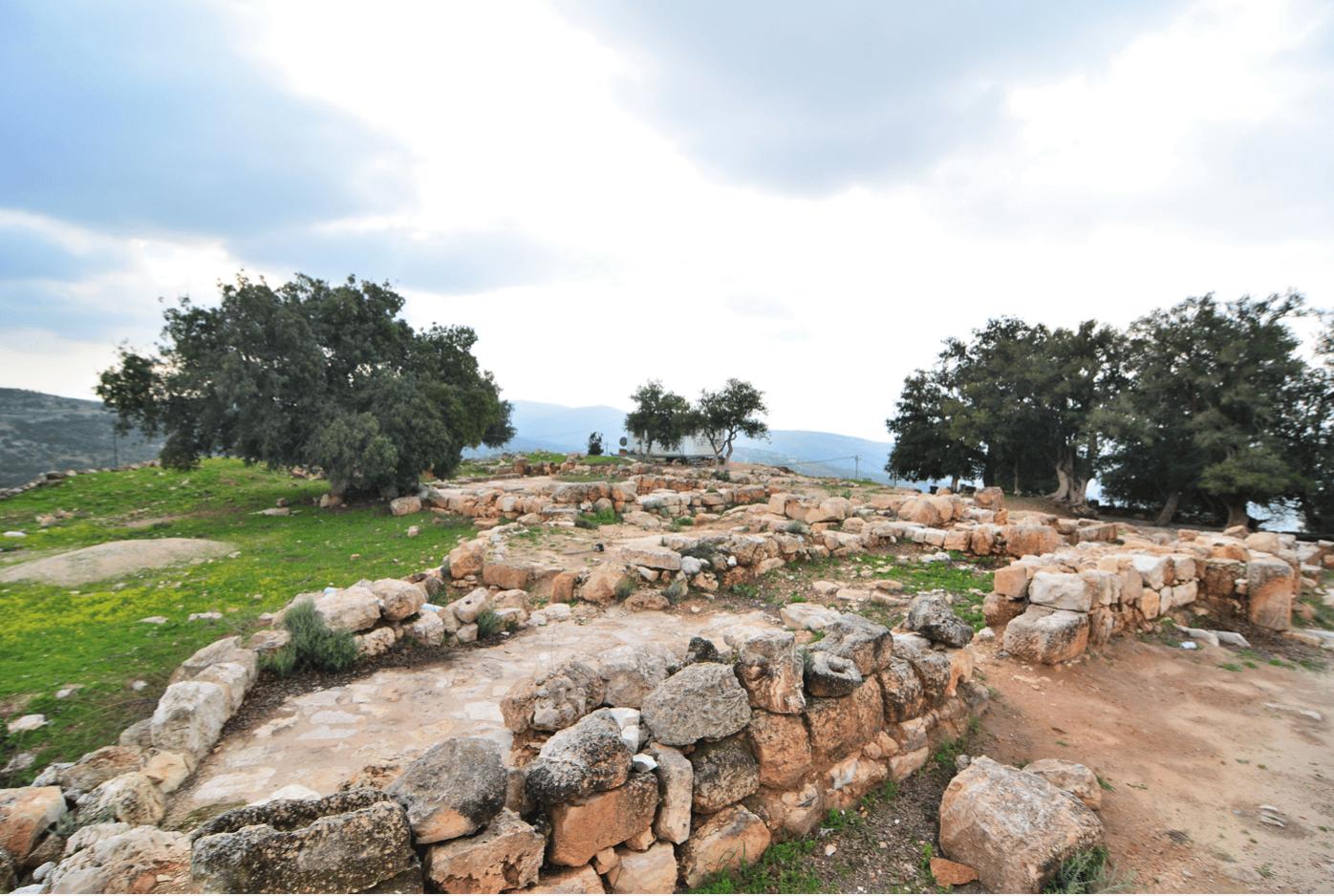
The site is traditionally associated with the Prophet Elijah, or Mar Elias, and has been recognised as a Christian pilgrimage destination by the Vatican alongside the Baptism Site on the Jordan River.
Archaeological excavations carried out in 1999 and 2001 revealed significant remains, including the Mar Elias monastery and several ancient churches. The remains provide visitors with an opportunity to explore Jordan’s early Christian heritage while experiencing the archaeological landscape of Ajloun.
The site also forms part of a wider tourism experience in Ajloun, a green and mountainous region known for its forests, agricultural landscapes, historic villages and cultural heritage.
Discovering Ajloun
Ajloun is particularly attractive to visitors looking to combine history with nature. The governorate is home to the historic Ajloun Castle, a prominent medieval fortress overlooking the surrounding hills and valleys. The castle offers panoramic views of the northern Jordanian landscape and provides an important connection to the region’s medieval history.
Visitors can also explore the Ajloun Forest Reserve, where forest trails, nature experiences and rural landscapes offer an alternative to Jordan’s better-known desert and archaeological destinations. The area is especially appealing during spring, when the hills become greener and wildflowers add colour to the countryside.
Ajloun’s villages and agricultural areas also provide opportunities to experience local food, traditional products and rural life. Together, these attractions make the governorate suitable for day trips as well as longer stays combining archaeology, nature and cultural experiences.
For travellers interested in Jordan’s Christian heritage, Mar Elias can also be included in a northern Jordan itinerary alongside other historical and religious sites, offering a different perspective on the country’s diverse archaeological and cultural heritage.